
Why Ultrasonic Quilts Are Better Than Traditional Stitching
When it comes to quilting, traditional methods have long been cherished for their craftsmanship and aesthetic appeal. However, as technology continues to advance, innovative alternatives to classic techniques are emerging. One such breakthrough is ultrasonic quilting—a process that uses high-frequency sound waves to bond fabric layers together. While traditional quilting methods involve meticulous stitching, ultrasonic quilting offers a range of benefits that make it an appealing choice for both manufacturers and consumers alike.
In this blog, we’ll explore why ultrasonic quilts are quickly gaining popularity and why they may just be the future of quilting.
1. Speed and Efficiency: The Time-Saving Revolution
One of the most significant advantages of ultrasonic quilting over traditional stitching is speed. Ultrasonic quilting can bond multiple layers of fabric in a fraction of the time it would take to sew them together with a needle and thread. The ultrasonic process uses high-frequency sound waves to create heat, which instantly bonds the fabric without the need for thread or stitching.
This faster production time is particularly beneficial for manufacturers, who can produce quilts on a much larger scale without compromising quality. For consumers, it means faster turnaround times for custom or ready-made quilts—especially important when you need something urgently for an event or season.
Key Benefits:
Reduced production time and labor costs
Greater efficiency for large-scale production
Faster delivery times for consumers
2. Durability and Strength: A Stronger Bond
Ultrasonic quilting creates a stronger, more durable bond between fabric layers compared to traditional stitching. The ultrasonic process doesn't just stitch through the fabric; it fuses the layers together at a molecular level. This fusion creates a bond that is less likely to break, fray, or come undone over time.
Traditional stitching, on the other hand, relies on thread, which can weaken or unravel over time, especially with frequent washing. With ultrasonic quilts, there’s no thread to worry about, meaning they will last longer without showing signs of wear. This increased durability makes ultrasonic quilts an excellent choice for bedding, outdoor quilts, and other high-use applications.
Key Benefits:
Enhanced durability and longevity
Resistance to fraying or unraveling
More reliable for frequent washing and heavy use
3. A Cleaner, Neater Finish: No Thread to Worry About
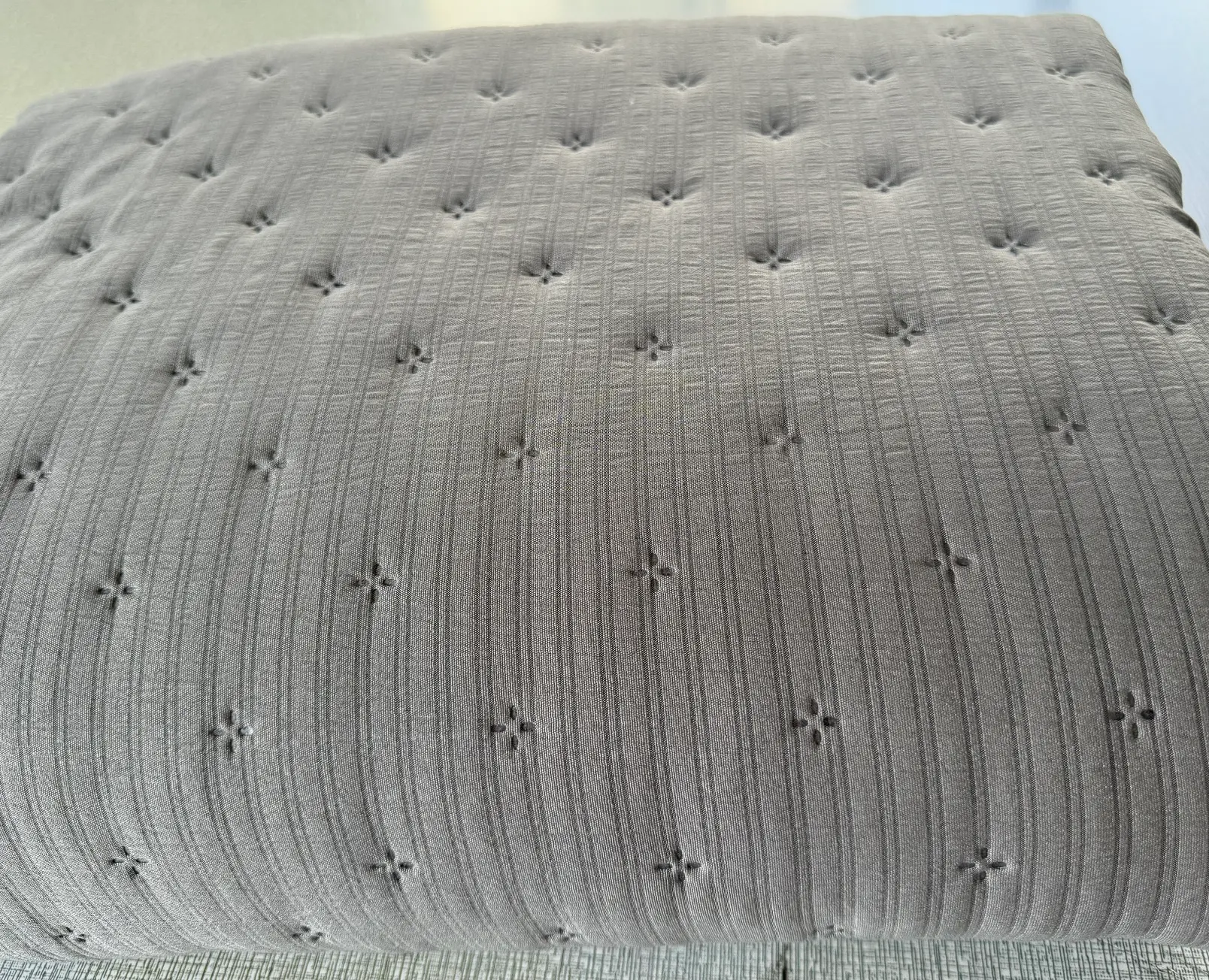
One of the most visually striking benefits of ultrasonic quilting is the clean, seamless finish it offers. Unlike traditional quilting, which requires visible stitching, ultrasonic quilts don’t have thread, leaving the surface smooth and uniform. This results in a quilt with a cleaner, more polished look.
Moreover, ultrasonic bonding can be used to create intricate patterns and designs without worrying about needlework or thread tension. This opens up creative possibilities for quilters and manufacturers alike, as more detailed, uniform patterns can be achieved with greater ease.
Key Benefits:
No visible stitching or threads on the surface
Seamless, uniform designs and patterns
Enhanced visual appeal and craftsmanship
4. Cost-Effective and Sustainable
The environmental and cost-saving benefits of ultrasonic quilting are notable as well. Traditional quilting requires a significant amount of thread, which can be a costly material, particularly when large-scale production is involved. Ultrasonic quilting eliminates the need for this additional material, helping to reduce overall costs.
Furthermore, the ultrasonic process itself is highly energy-efficient. Instead of relying on large machinery or a large amount of manual labor, ultrasonic quilting uses less energy compared to traditional sewing machines. This makes it a more sustainable option for large production runs, reducing both material and energy waste.
Key Benefits:
Lower material costs (no need for thread)
Reduced energy consumption during production
Environmentally friendly with less waste
5. Improved Comfort and Flexibility
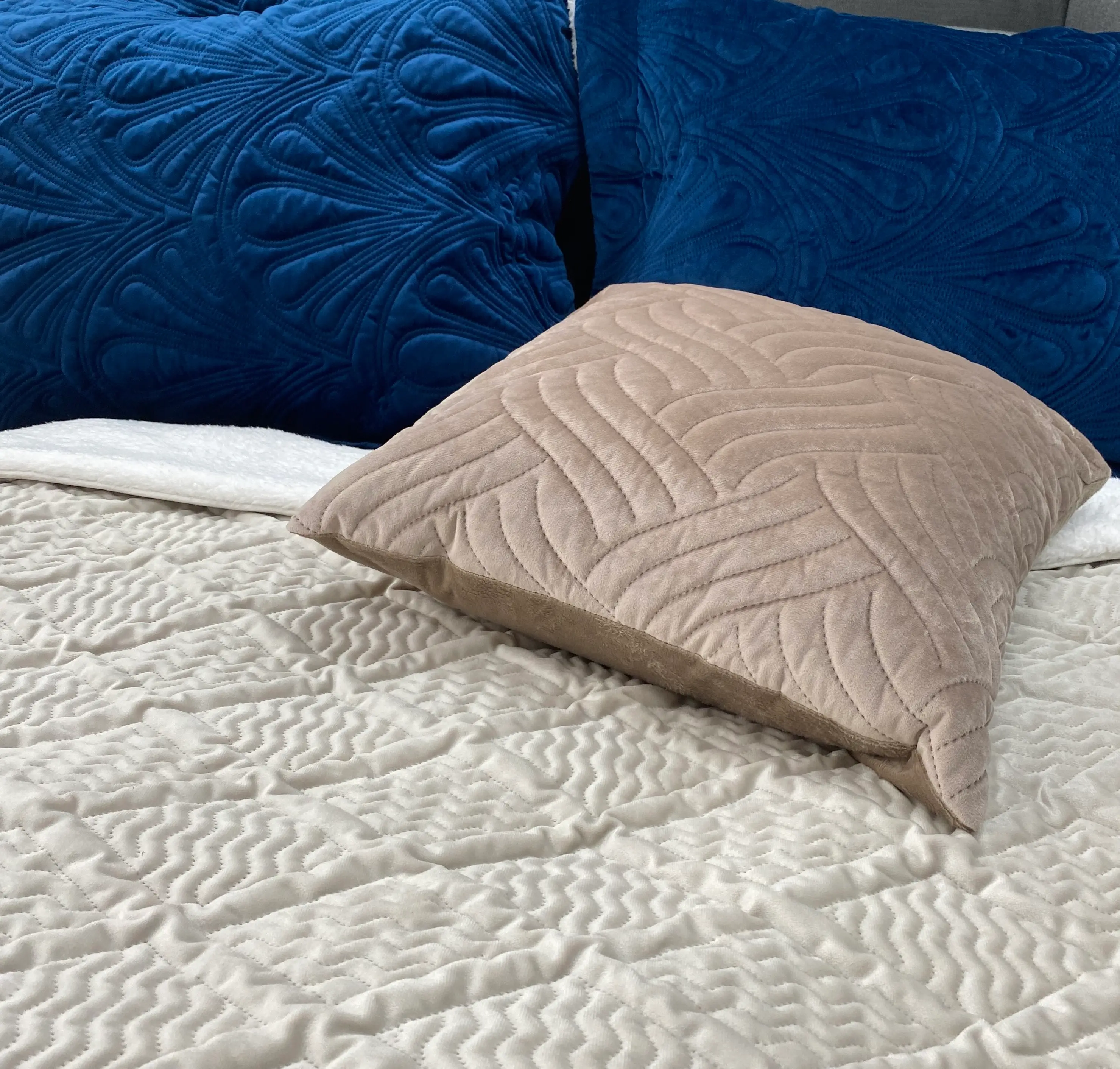
Unlike traditional stitching, which can sometimes make the fabric stiffer or less flexible due to the stitching lines, ultrasonic quilts maintain the softness and flexibility of the fabric. Since the ultrasonic process bonds the fabrics at a molecular level without adding extra layers or thread, the resulting quilt tends to feel lighter and more comfortable.
This increased flexibility also means that ultrasonic quilts are perfect for applications where comfort is key, such as baby quilts, throw blankets, or high-quality bedding. The quilt remains soft and drapable, offering a luxurious feel without compromising on structural integrity.
Key Benefits:
Retains softness and flexibility of the fabric
Comfortable and lightweight, ideal for bedding and throws
No stiffness from traditional stitching lines
6. Versatility in Fabric Types
Ultrasonic quilting is compatible with a wide variety of fabrics, including synthetics, natural fibers, and blends. While traditional stitching may struggle with certain fabric types—such as delicate silks or thick, layered materials—ultrasonic quilting can bond virtually any combination of fabrics, including those that would be difficult or time-consuming to stitch together manually.
Whether you’re working with lightweight cotton, thick polyester, or delicate velvet, ultrasonic quilting provides a versatile, efficient solution for all kinds of textile needs.
Key Benefits:
Suitable for a wide range of fabric types
No limitations based on fabric thickness or delicacy
Can be used for multi-layer fabrics, including foam or padding
7. Noise Reduction in Manufacturing
In industrial settings, traditional quilting methods often involve the use of noisy sewing machines that can cause distractions and discomfort in the workplace. Ultrasonic quilting, on the other hand, is a quieter process, reducing the amount of noise pollution in factories. This not only improves working conditions for employees but also helps meet noise regulation standards in manufacturing plants.
Key Benefits:
Quieter production process
Improved work environment and safety
Better compliance with workplace noise regulations
Conclusion: The Future of Quilting
While traditional quilting methods will always have a place in the hearts of artisans and enthusiasts, ultrasonic quilting is quickly becoming a popular alternative due to its numerous advantages. From increased speed and efficiency to durability and sustainability, ultrasonic quilts are not only more practical for large-scale production but also offer a superior, long-lasting product.
For manufacturers, it’s an opportunity to streamline production while cutting costs, and for consumers, it means enjoying high-quality quilts that are soft, strong, and stylish. With its versatility and innovative approach, ultrasonic quilting may very well be the future of quilting.
So, whether you’re looking to enhance your quilting business or simply want a superior, eco-friendly quilt for your home, ultrasonic quilts offer a compelling option that combines tradition with technology.
Contact: hattie@juruitextiles.com
A804 Caifu Bldg, 817 Jianghai Ave. 226011
Nantong, Jiangsu, China